
Introduction to Children’s Party Color Schemes
Colors for kids birthday celebrations carry more weight than many parents realise. In this beginner guide to party color planning, once you understand how to choose colors for kids birthday party decorations and coordinate that with your theme, invitations and venue, the overall atmosphere becomes instantly more cohesive and fun. The importance of colour coordination for kids birthday parties goes beyond simply “what looks pretty” — it sets the mood, supports the theme, and makes things feel Instagram-ready with minimal extra effort. In this article we’ll walk you through foundations like understanding colour psychology for children’s events, show how to pick colour palette ideas for small kids birthday celebration, examine gender-neutral color combinations for kids parties, and offer easy color coordination tips for children’s birthday parties so you can plan like a pro without breaking your budget.
Why Color Themes Are Important for Kids Birthdays
When planning a party, choosing a color theme is one of the most important steps you can take early on. Color themes are important for kids birthdays because they create visual harmony across decorations, invitations, cakes, favors, and backdrops. When you order matching party decorations and favor sets, or buy pre-coordinated kids birthday party sets, everything feels tied together.
Consistent color matching also helps guests (especially children) feel like the celebration is special and unique. The psychological effect of color means bright primaries will energize outdoor kids birthday parties, while pastels or soft neutrals suit small indoor gatherings. A well-chosen palette allows you to balance bold and neutral tones, making everything look intentional and charming.
Basics Of Choosing Colors For Children's Parties
At its core, color coordination for kids birthday parties means selecting a small group of colors (usually two to four) and applying them across your decorations, tableware, balloons, and invitations. Start with one main color — perhaps your child’s favorite — and then choose one or two accent colors to complement it.
Using the color wheel can be very helpful: complementary colors (those opposite on the wheel) or analogous colors (those next to each other) tend to pair beautifully. For example, mint green and coral work wonderfully together, while lavender and sky blue make for a gentle pastel combination.
When finalizing your palette, always consider the venue. If the space already has dominant colors (like bold wall paint or patterned flooring), select hues that coordinate rather than compete with them. The goal is to create a unified and harmonious visual experience.
Understanding Color Psychology For Children's Events
Colors for kids birthday celebrations influence more than just the look of the party — they also affect the overall mood. Bright yellows, oranges, and reds are stimulating and playful, ideal for lively parties filled with energy and games. Cooler shades like blues and greens, on the other hand, promote calm and relaxation, perfect for garden picnics or toddler gatherings.
Soft pastels such as peach, blush, or mint create a dreamy, gentle feel that works beautifully for first birthdays or small indoor celebrations. When planning your palette, consider how you want the event to feel: vibrant and energetic or soft and serene. Align your color choices with the atmosphere you want to create.
How To Mix And Match Colors For Children's Events
After choosing your base color, it’s time to mix and match your accents wisely. The rule of thumb is to have one main color, one accent color, and one neutral. For instance, turquoise (main), coral (accent), and white (neutral) make for a cheerful and balanced combination.
Use your neutral shade generously. It gives the eye a place to rest and prevents the setup from feeling overwhelming. Then, repeat your colors consistently across different party elements — invitations, balloons, tablecloths, cake decorations, and goodie bags.
If you’re hosting an outdoor celebration, remember that nature itself becomes part of your palette — green grass, blue sky, and natural light all interact with your chosen colors. So, pick shades that complement the surroundings for a beautiful overall effect.
Seasonal Color Ideas For Kids Birthday Parties
One of the most effortless ways to plan your color scheme is to align it with the season. Seasonal color ideas for kids birthday parties help your event feel naturally coordinated and timely.
Spring: Soft pastels like blush pink, mint, and lavender create a light and cheerful atmosphere.
Summer: Go bold with bright hues such as aqua, yellow, and coral — perfect for sunny outdoor parties.
Autumn: Warm tones like burnt orange, mustard, and forest green give cozy, nature-inspired vibes.
Winter: Jewel tones such as emerald, navy, and deep burgundy bring a touch of elegance and warmth.
Choosing seasonal colors ensures that decorations and supplies are easier to find, since many party stores release collections based on the time of year.

Gender Neutral Color Combinations For Kids Partiy
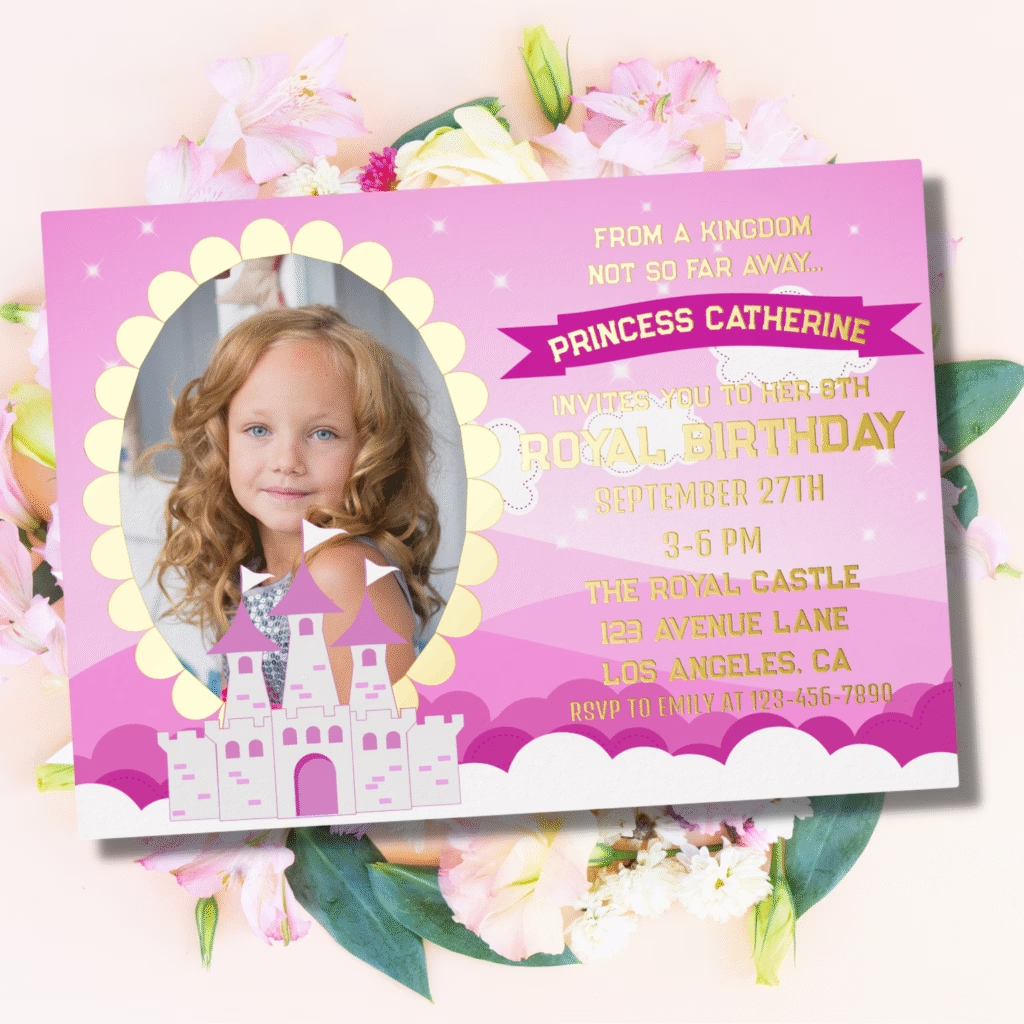
Many modern parents prefer gender-neutral color combinations for kids parties because they feel fresh, inclusive, and timeless. Instead of the traditional pink-and-blue divide, try palettes like mint and mustard, peach and teal, or navy and yellow.
These options work perfectly for mixed-age or sibling parties and can easily be reused for different occasions. They also give your event a more contemporary, stylish feel. Gender-neutral palettes look fantastic on invitations, banners, and table settings while maintaining a balanced, sophisticated look.
DIY Color Coordination For Kids Birthday Party On A Budget
You don’t need a huge budget to create a well-coordinated, beautiful party. The secret lies in working with a limited palette and reusing items across your decor. Choose two or three colors and repeat them across all key elements — tablecloth, balloons, plates, and signage.
Focus your efforts on one or two highlight areas, such as the cake table or backdrop, rather than trying to decorate the entire space. For instance, if your palette is navy, mustard, and white, use a navy tablecloth, mustard balloons, and white plates. Add pops of color with ribbons or DIY paper garlands.
Simple touches like colored straws, confetti, or cupcake wrappers can make a big impact without adding extra cost. By sticking to your color scheme, your setup will look cohesive and polished even if it’s entirely homemade.
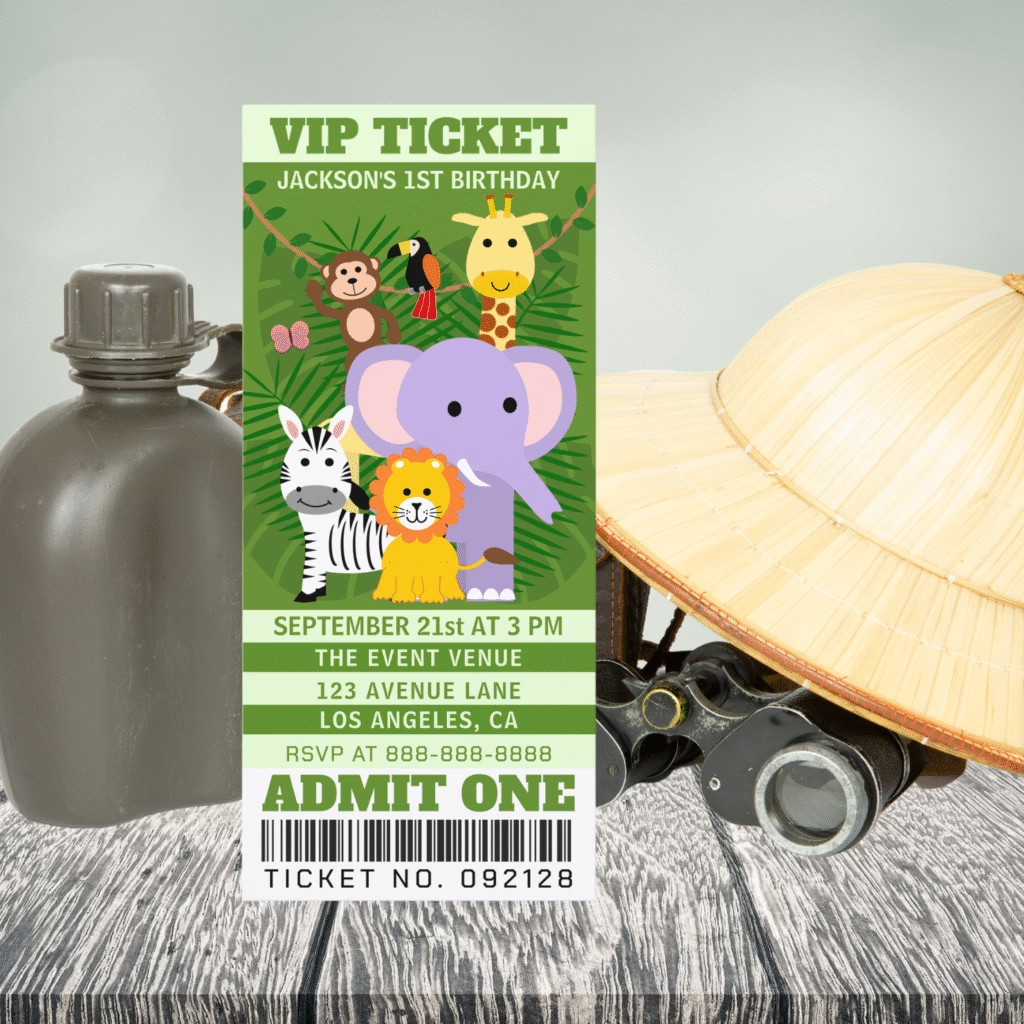
Your invitations set the tone for the entire celebration, so it’s smart to start your color coordination there. When your invitation matches the decorations, it gives guests a preview of the party vibe and helps your event feel well-organized.
For example, if your theme includes mint and coral, design your invitations with those same shades — mint as background, coral for accents, and white for text. Then, carry the same palette across balloons, banners, and cake decorations. This creates a seamless flow from start to finish and looks fantastic in photos.
Consistency between invitations and decorations is one of the simplest yet most effective ways to make your child’s birthday party look thoughtfully planned and professional.
Best Color Schemes For Toddler Birthday Party And Small Celebrations
When planning a party for toddlers or small gatherings, simplicity is key. The best color palettes for small birthday celebrations are typically softer and less saturated. Combinations like peach, mint, and white or yellow, gray, and cream are playful without being overstimulating.
Outdoor toddler parties can use cheerful and natural hues such as sky blue, lemon yellow, and white — bright enough to catch attention but still gentle for young eyes. Indoors, try warm pastels that reflect coziness and comfort.
Limiting your palette to three shades helps avoid clutter and keeps the party environment visually pleasing for both children and adults.
Examples Of Successful Color Coordinated Parties
Here are a few color-inspired ideas to get your creativity flowing:
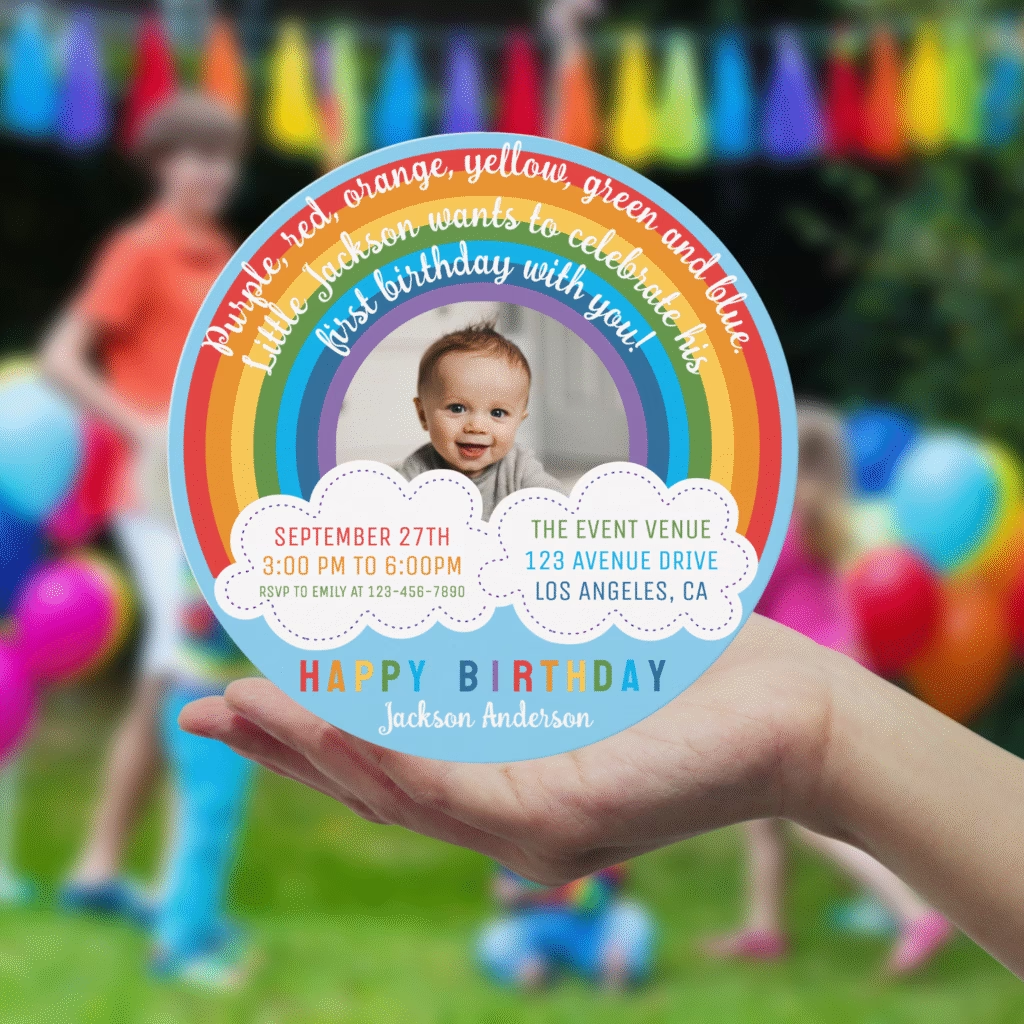
Rainbow Delight: Perfect for energetic celebrations. Use vibrant hues like red, orange, yellow, green, blue, and purple for a cheerful, all-inclusive vibe.
Metallic Magic: Rose gold, blush pink, and ivory create a soft, elegant look for milestone birthdays or slightly older kids.
Nature-Inspired Greens: Sage, cream, and wooden accents are ideal for garden parties or eco-friendly themes.
Ocean Splash: Aqua, navy, and white work beautifully for summer or poolside celebrations.
Candy Pop: Bubblegum pink, turquoise, and lemon yellow bring a retro, playful aesthetic.
These examples show how color choice can completely transform the party mood — from whimsical and fun to chic and serene.

Best Practices For Selecting Party Colors
Here’s a quick checklist of best practices for color coordination:
Stick to 3–4 colors maximum: one main, one or two accents, and one neutral.
Always include a neutral color like white, cream, or beige for balance.
Make sure your colors complement the venue and lighting conditions.
Use your palette consistently across all elements — from invites to tableware.
Preview your colors together before finalizing purchases.
Focus decoration efforts on key zones like the dessert table or photo area.
Adjust brightness and saturation based on the child’s age group and the party’s tone.
These steps will help you create a cohesive, stylish celebration every time.
Making It Your Own
When you plan with colors in mind, everything about your child’s celebration becomes smoother and more enjoyable. By using coordinated colors for kids birthday parties as your foundation, you can easily build a theme that feels vibrant, unified, and personal.
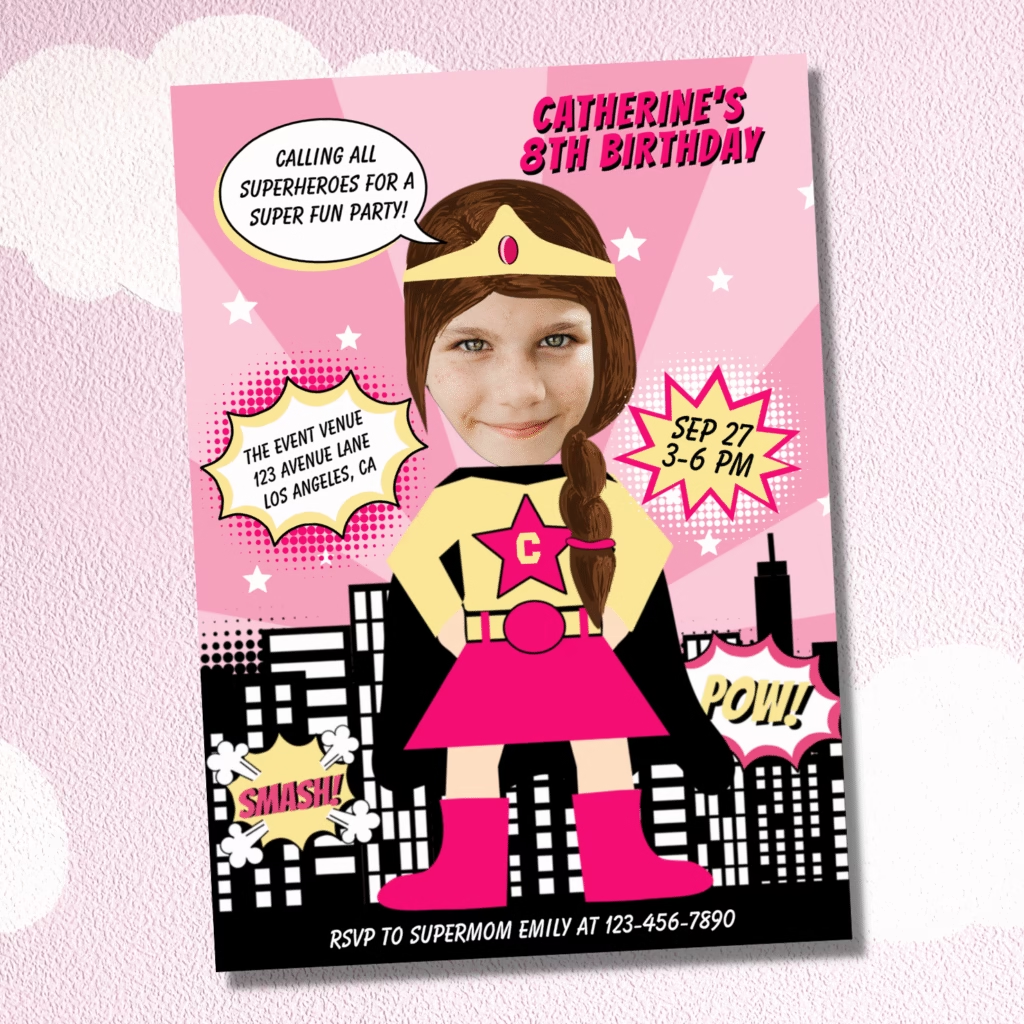
Whether you’re hosting a pastel garden brunch, a bold superhero bash, or a soft boho-themed first birthday, remember to choose a palette that reflects your child’s personality and the atmosphere you want to create.
With a few thoughtful choices and a little creativity, your kid’s birthday party will not only look amazing but also feel memorable and joyful — a true celebration of color, fun, and togetherness.